Where to dispose floral tributes in Greenwich Council limits
Posted on 05/10/2026
If you have just come home from a funeral, a memorial, or a quiet visit to a graveside, the question can feel oddly practical at a very emotional moment: where to dispose floral tributes in Greenwich Council limits. Some flowers are still beautiful but fading fast. Others are bulky, weather-worn, or tied up with card, ribbon, plastic, and wire, and you do not really want to guess the right next step.
This guide explains the respectful, sensible options available in Greenwich, what usually happens to floral tributes after a service, and how to avoid common mistakes. It is written for families, funeral organisers, cemetery visitors, and anyone who wants to do things properly without making a fuss of it. Because, truth be told, this is one of those small jobs that feels bigger than it looks.
We will also cover how to separate reusable materials, when to ask the cemetery or crematorium, and how to handle tributes if you are arranging flowers locally. If you need funeral-specific arrangements alongside a clear local delivery option, you may also find funeral flowers in Charlton SE7 helpful for planning ahead.
- Why this matters
- How floral tribute disposal works
- Key benefits and practical advantages
- Who this is for
- Step-by-step guidance
- Expert tips
- Common mistakes to avoid
- Tools, resources and recommendations
- Law, compliance and best practice
- Options and comparison
- Real-world example
- Practical checklist
- Conclusion
- Frequently asked questions
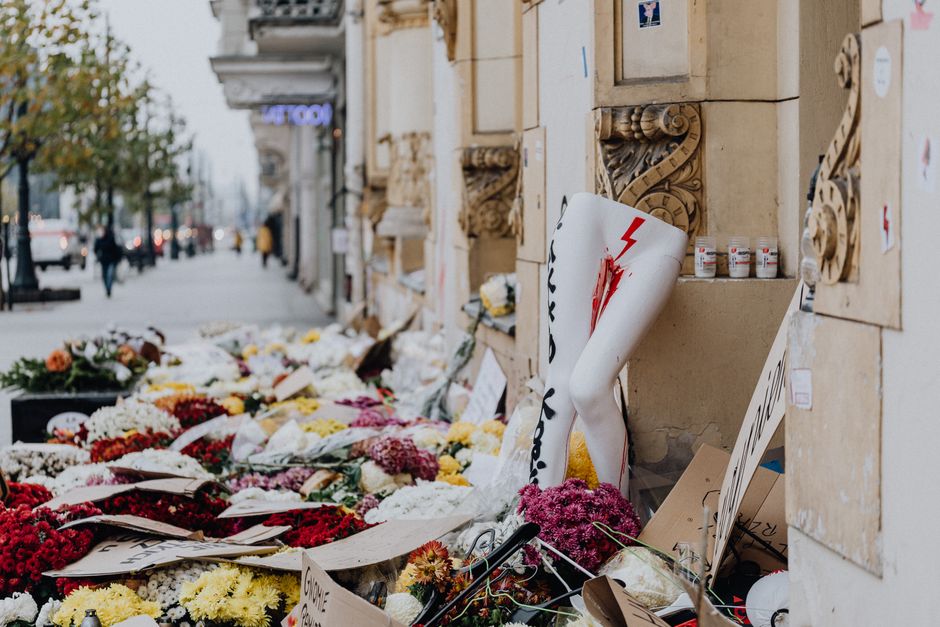
Why Where to dispose floral tributes in Greenwich Council limits Matters
Floral tributes are not just garden waste. They often carry messages, memory cards, ribbon, wire frames, foam, cellophane, and sentimental items tucked into the stems. That is why disposing of them carefully matters. In a place like Greenwich, where cemeteries, crematoria, churches, and memorial sites each manage space differently, a tidy, respectful approach helps everyone.
There is also a practical side. If tributes are left where they should not be, they can block maintenance, attract litter, or create a mess for grounds staff. Most of the time, nobody is trying to cause a problem. It just happens because people are unsure what to do next. And fair enough - grief does not come with a recycling handbook.
Knowing the right method also protects the dignity of the tribute itself. A wreath that has dried out and collapsed might still be handled as a normal memorial floral item rather than tossed into the wrong bin. Card messages may need separate consideration. Florist foam and plastic packaging should usually be separated where possible. Little things, but they add up.
In practical terms, the question is not only where can I put this? It is also how can I do it respectfully, safely, and in line with local site rules?
How Where to dispose floral tributes in Greenwich Council limits Works
There is no single universal method, because the right place depends on where the flowers were placed and what they are made of. In Greenwich Council limits, the usual first step is to check whether the site has an arranged collection point, floral waste area, or maintenance schedule. Cemeteries and crematorium grounds often have their own procedures, and these can differ from one site to another.
In broad terms, floral tribute disposal usually works like this:
- The tribute is removed from the grave, memorial area, or public space when it is no longer needed.
- Any personal keepsakes, cards, photos, or mementoes are taken off first.
- Natural flowers and foliage are separated from non-organic materials where practical.
- The remaining floral waste is placed in the correct site bin, green waste area, or disposal point.
- Large or unusual tributes are sometimes handed to grounds staff for advice rather than being left behind.
That sounds simple, and sometimes it is. But not always. A letter tribute, a wreath on a wire frame, or a floral spray with florist foam may need a bit more care than a loose bouquet. If you are dealing with a memorial tribute made for a specific family member, for example one of the more personal arrangements like a loving mum tribute or a loving dad tribute, people often want to remove it gently and quietly rather than in a rush.
That is usually the right instinct. Slow down, take out what matters, then deal with the rest. No drama needed.
Key Benefits and Practical Advantages
Doing this properly brings a few clear benefits, and not just the obvious tidy-up.
- Respect for the person remembered. Handling tributes carefully shows care, especially when cards and messages are still attached.
- Less risk of fly-tipping or littering. Leaving floral items in the wrong place can create avoidable mess.
- Easier site maintenance. Grounds teams can work more safely when flowers, wires, and packaging are cleared correctly.
- Better recycling and waste separation. Natural stems, plastic wrap, foam, ribbon, and card do not all belong in the same stream.
- Reduced stress for families. Once you know the process, the job becomes much simpler.
There is a quieter benefit too. When you remove tributes thoughtfully, the memorial area remains calmer and more dignified for other visitors. You will notice this especially in busy cemeteries on weekends, when small acts of order make a big difference.
It is a tiny piece of organisation, but it helps the whole setting feel cared for.
Who This Is For and When It Makes Sense
This guidance is for anyone who has floral tributes to remove within Greenwich Council limits. That could mean a grieving family member, a funeral director, a church volunteer, a cemetery visitor, or a florist who has delivered memorial flowers and needs to understand the expected handling.
It makes sense when:
- flowers have faded after a funeral or memorial service
- you are clearing a grave after a remembrance period
- a tribute has become damaged by rain or wind
- you need to remove old flowers before placing new ones
- you are unsure whether to use general waste, green waste, or a site collection point
It is also useful if you are planning tributes in advance. For example, if you are arranging a funeral order and want wreaths, sprays, or bespoke lettering, looking at a focused range such as funeral flowers or tributes can help you choose arrangements that are easier to manage later.
And yes, the practical side matters. Nobody wants to stand at a memorial with a soggy ribbon in one hand and a confused look on their face. It happens. More often than people admit.
Step-by-Step Guidance
If you want a straightforward route, use this process. It works well in most Greenwich settings, though you should always follow the site's own instructions first if they are displayed.
- Check the location rules first. Look for signs at the cemetery, crematorium, churchyard, or memorial garden. Some sites have dedicated floral waste points.
- Remove personal items. Take away cards, photos, small keepsakes, and anything the family wants to keep. Do this before the flowers are moved.
- Separate natural from non-natural materials. Fresh flowers and foliage can often go into green waste where accepted. Plastic wrap, tape, foam, and wire may need a different bin.
- Bundle awkward items safely. Large wreaths and sprays can have sharp frame ends. Fold them inwards if possible so they are easier to carry.
- Use the right disposal point. Place the tribute into the approved site bin, collection point, or waste area. If unsure, ask the grounds team.
- Clean up tiny leftovers. Ribbon scraps, cellophane, and loose stems are easy to miss. Take the extra minute if you can.
A small tip from real life: if you are removing several tributes at once, use a bag for keepables and a separate sack or box for waste. It stops the whole thing turning into a tangle. Which, let's face it, is annoyingly easy to do.
If you are dealing with a tribute that still has some good flowers left, you can sometimes trim and repurpose them for a vase or a smaller remembrance arrangement at home. A neutral choice like flowers in a vase can be a gentler way to keep the memory visible without leaving the original tribute in place too long.
Expert Tips for Better Results
These are the small details that make the process smoother and more respectful.
- Ask before you assume. Some grounds teams prefer tributes left in one place for collection on a certain day.
- Keep cards separate. Even faded cards often matter to families, so place them aside before disposal.
- Watch for hidden fixings. Florist wire, pins, and plastic picks can be hidden deep in stems.
- Plan for wet weather. Wet tributes are heavier and can leak coloured water from flower food or vase liners. A minor nuisance, but worth knowing.
- Choose simpler tribute forms if disposal will matter later. Loose sprays and posies are often easier to manage than large, heavily framed designs.
If you are ordering tributes for a memorial and know that removal will happen in a managed cemetery environment, styles like a peace and prayers wreath or a gentle thoughts spray can offer a dignified look while still being relatively straightforward to handle later.
One more thing: if the tribute is particularly large or unusual, do not wrestle with it alone. Ask for help. It is far better to pause than to tear a frame, scatter petals, and make a mess of the whole moment. Nobody wins there.
Common Mistakes to Avoid
Most problems are avoidable, and the biggest mistake is usually simply rushing. Here is what tends to go wrong.
- Leaving tributes where they are not meant to stay. This can obstruct maintenance or look untidy to other visitors.
- Mixing all materials together. Plastic sleeves, wire frames, and foam do not behave like fresh flowers in waste processing.
- Throwing away sentimental items by accident. Always check the tribute before disposal. Twice if the message matters.
- Assuming every cemetery works the same way. They do not. One site may have a collection point while another may not.
- Forcing a tribute into the wrong bin. If it does not fit, there is probably a reason. Don't jam it in and hope for the best.
Another common slip is forgetting that floral tributes sometimes include hidden extras: battery candles, plastic name plaques, card stands, or decorative metal pieces. If you can remove those first, everything gets simpler.
The good news? Once you have done it once, the next time feels much more manageable. Still emotional, maybe, but manageable.
Tools, Resources and Recommendations
You do not need specialist equipment, but a few simple items can make the job easier and cleaner.
| Item | Why it helps | Best use |
|---|---|---|
| Gardening gloves | Protects hands from wire, thorns, and damp stems | Removing wreaths, sprays, and older arrangements |
| Carrier bag or envelope | Keeps cards and keepsakes together | Separating personal items before disposal |
| Strong bin bag | Helps carry waste safely if site bins are not nearby | Transporting mixed floral waste |
| Small secateurs | Useful for trimming stems neatly | Repurposing flowers or reducing bulk |
| Notebook or phone note | Tracks which cards or mementoes belong to whom | Multiple tributes or family collections |
For families arranging flowers in advance, local product pages can help you choose the right style and scale. A broader option such as all flowers is useful when you want to compare different looks, while sympathy flowers can suit more understated remembrance occasions.
If you are looking for something with a more traditional memorial feel, collections like wreaths or sprays are often used for funeral and tribute settings. Simple, dignified, and easy to place. Sometimes that is exactly right.
Law, Compliance, Standards, or Best Practice
Without inventing rules where they may differ by site, the safest approach is to treat floral tribute disposal as a matter of site-specific instruction, waste separation, and respectful handling. In Greenwich Council limits, the most dependable guidance will usually come from the cemetery, crematorium, or memorial venue itself.
As a best practice, keep these principles in mind:
- Follow on-site signage and staff direction. If a site provides a floral waste area, use that rather than guessing.
- Respect memorial areas. Do not remove items that are still clearly in active use unless you are authorised to do so.
- Separate recyclable or compostable materials where practical. This is especially relevant for flowers, card, and natural foliage.
- Handle personal data carefully. Memorial cards and labels may contain names, addresses, or private messages. Keep them secure if you are retaining them.
- Avoid leaving waste in public spaces. Even a well-meaning pile can become a nuisance if it is not collected promptly.
In many cases, practical common sense goes a long way. If the tribute is delicate, bulky, or sentimental, and you are not sure what the local site expects, speak to staff before moving it. That tiny pause can save a lot of bother.
Also, if you are using a florist to deliver memorial flowers, ask whether they can help you choose tributes that are neat, durable, and easy to manage in the setting where they will be placed. It sounds obvious, but people rarely ask until the day itself.
Options, Methods, or Comparison Table
Different disposal methods suit different situations. Here is a simple comparison to help you choose.
| Method | Best for | Pros | Watch-outs |
|---|---|---|---|
| Site floral waste point | Cemeteries or crematoriums with dedicated collection | Convenient, aligned with local practice, respectful | Only available where the site provides it |
| Green waste disposal | Natural flowers and foliage | Good for compostable material | Remove plastic, wire, and foam first |
| General waste | Mixed items that cannot be separated neatly | Useful when materials are highly mixed | Not ideal for reusable or compostable parts |
| Return to florist or organiser | Large or specially arranged memorial tributes | Can be handled with care and proper advice | Not every florist offers this service |
| Keep selected items at home | Cards, keepsakes, or a few fresh stems | Preserves sentiment | Only useful if you actually want to retain the items |
In practice, many people use a mix of these. Keep the card, compost the flowers if possible, and bin the wrapping. Simple enough, though not always in one go.
Case Study or Real-World Example
Here is a realistic example based on a common local situation. A family attends a graveside remembrance in Greenwich after a funeral service. The tribute includes a medium wreath, a handwritten card, ribbon, and a plastic outer wrap added for transport. Two weeks later, the flowers have begun to dry and the weather has made the wreath limp and heavy.
The family member in charge of the grave does three things. First, they take the card and keep it in a safe envelope. Second, they remove the plastic wrap and any loose decorative picks. Third, they check the cemetery notice board and speak briefly to a grounds worker, who confirms where floral waste should be placed. The flowers and foliage go into the correct collection point, and the wire frame is handled separately.
Nothing dramatic. No complicated paperwork. Just a careful, respectful routine that avoids confusion.
That is usually how the best outcomes happen. A little patience, a quick check, and one person taking responsibility so the task does not turn messy. By late afternoon, the memorial area looks calm again, with no stray ribbon blowing about in the wind.
If you are ordering something similar for an upcoming service, tributes such as heartfelt sorrow cushion or deepest condolences wreath can be appropriate choices when dignity and simplicity matter.
Practical Checklist
Use this quick checklist before you dispose of floral tributes in Greenwich.
- Check whether the site has a floral waste collection point
- Remove cards, photos, and keepsakes first
- Separate natural flowers from plastic, wire, foam, and ribbon
- Ask staff if you are unsure about the correct bin or area
- Carry large tributes carefully so they do not shed petals or debris
- Keep any sentimental items safely stored
- Do not leave mixed waste beside memorials unless the site specifically allows it
- Choose a future tribute style that matches the site's practical rules
Expert summary: the safest approach is simple - follow the site's instructions, protect the sentimental items first, and treat the rest as a waste-separation job rather than a hurried clear-out. That little bit of care makes all the difference.
Get a free quote today and see how much you can save.
Conclusion
Finding where to dispose floral tributes in Greenwich Council limits should not be confusing, and most of the time it does not need to be. If you remember only one thing, let it be this: check the local site rules, remove the keepsakes first, and separate the natural floral material from the packaging and fixtures where possible.
That approach is respectful, tidy, and far less stressful than guessing. It also helps cemetery and crematorium teams keep memorial areas calm and well cared for, which matters more than people sometimes realise.
If you are planning tributes for a service, or thinking about what will happen afterwards, choosing flowers with that practical side in mind can make the whole process gentler. And in a moment that already asks a lot of you, gentler is good. Really good.
Take your time, do the small things properly, and the rest tends to settle into place.
Frequently Asked Questions
Where should I put floral tributes after a funeral in Greenwich?
Usually the correct place is the cemetery, crematorium, or memorial site's designated floral waste area if one exists. If there is no clear collection point, ask grounds staff before leaving anything behind.
Can I put funeral flowers in a normal bin?
Small, separated floral waste may sometimes go in general waste, but it is better to follow the site's instructions. Fresh flowers, cardboard, ribbon, wire, and foam may need different handling, so a normal bin is not always the best option.
Do I need to remove the card from a floral tribute?
Yes, if the card is personal or sentimental, remove it first. Many families keep the card even when the flowers are discarded. It is a small thing, but often the most meaningful part.
Are floral tributes treated as green waste?
Often the natural parts are suitable for green waste, but not always the whole tribute. Plastic wrap, florist foam, wire frames, and decorative fixings usually need to be separated before disposal.
What if the tribute is too big to carry easily?
Ask the site staff for advice. Large wreaths, sprays, and letter tributes can be awkward, and some sites have a preferred collection method. Better to pause than to drag or break it.
Can I leave flowers at a grave indefinitely?
That depends on the cemetery or memorial site rules. Many places expect faded tributes to be removed after a period, especially where grounds maintenance is carried out regularly.
What happens to floral tributes after they are collected?
In many cases they are sorted into compostable or general waste streams. What happens exactly depends on the site's waste arrangements and what materials the tribute contains.
Should I ask the cemetery before removing old flowers?
If the tribute is at a managed site, yes, that is usually the safest move. Some memorial areas have specific collection days or staff-managed disposal points, and asking avoids misunderstandings.
Can I recycle the plastic from a floral tribute?
Sometimes, but only if it is clean and your local disposal route accepts it. In practice, most people simply separate the plastic wrap and dispose of it according to the site's guidance.
What is the most respectful way to dispose of memorial flowers?
Take the card and keepsakes first, separate the natural flowers from non-organic materials, and use the site's approved disposal method. That balanced approach is usually the most respectful and least stressful.
What if I am not sure whether the flowers are still wanted?
If you are helping manage a grave or memorial and there is any doubt, speak to the family or the site staff before removing anything. A quick check can prevent upset later.
Can a florist help me choose a tribute that is easier to manage later?
Yes. If disposal, transport, or handling matters, ask for a simpler wreath, spray, or tribute style. Florists can often suggest arrangements that remain dignified while being easier to manage at the end of the tribute's life.